
Why Zone 5 Should Lead Your Winter Indoor Training
Dylan Scholtz2026-06-29T13:36:00+02:00With Winter setting in across South Africa, more and more cyclists are retreating to the indoor trainer. Actually, that statement might be a little behind the times. As our roads get busier and riskier for anyone in lycra on skinny tyres, plenty of cyclists are already spending most of their training time indoors year-round, only heading out on the road for the weekend group ride. Whichever camp you’re in, the indoor trainer has become essential kit for cyclists ranging from fitness enthusiasts to ambitious amateurs.
Safety aside, what indoor riding gives you above all else is control. Holding a target power consistently on the open road is nearly impossible — traffic, hills, wind, traffic lights, other riders. Indoors, you can sit within a watt or two of your programmed number.
So which numbers actually matter when you’re planning your Winter indoor sessions?
FTP Has Had Its Reign
Until recently, for everyone except the most explosive track sprinters, Functional Threshold Power has been the defining training metric. Put simply, FTP is the highest average power you can hold for an hour. It’s calculated through a 20-30 minute test, then extrapolated to give a fairly accurate hour-long estimate. Every other training zone gets built off that one number.
But one of those zones — Zone 5, or VO2 — has started to eclipse FTP as the most important training zone for improving outright performance on the bike. To be clear, we’re not talking about endurance here. Endurance is built through hour after hour of Zone 2 riding, and it remains the foundation of all cycling performance. Zone 5 is your five-minute power — the maximum you can hold for five minutes before things start falling apart.
What Makes Zone 5 So Valuable
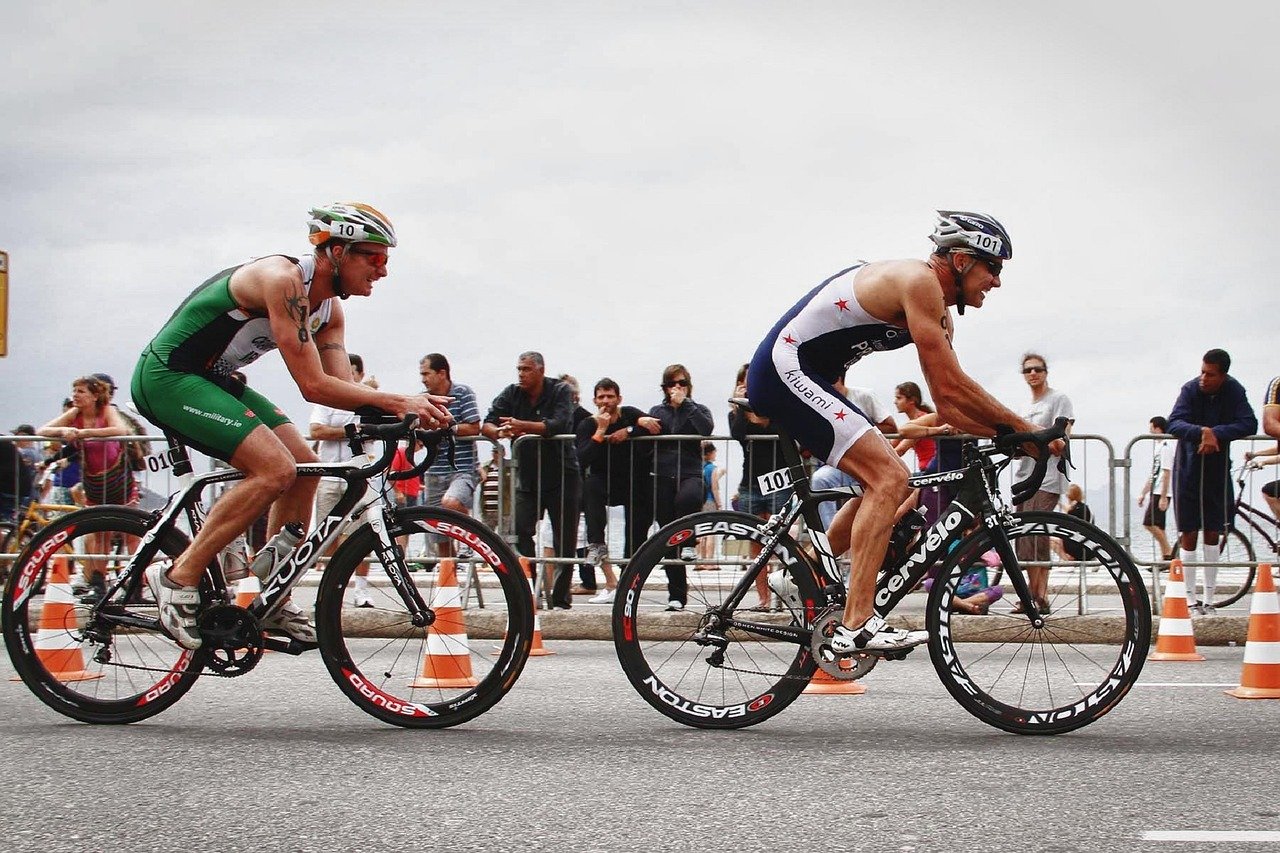
Zone 5 sits at 105-120% of FTP and has long been recognised as critical for road racing, where maximal efforts of up to five minutes decide whether you hold an attacking group or escape it, depending on what the moment demands. Because of that, it’s often been treated as a racer’s concern — professionals and competitive age-groupers fighting for the podium. Most recreational cyclists have stuck to FTP-focused training instead, since that sustainable, long-term power is closer to what they’re actually putting out in group rides and events.
Here’s the irony: indoor sessions built around FTP are considerably harder to execute than VO2 sessions. A typical FTP session means a high volume of hard work with minimal recovery — say, 4:00 intervals at 85-95% with only 2:00 recovery between each, aiming for 10-15 reps. A VO2 session, by contrast, is 4:00 intervals at 105-120% — a much higher effort — but with 4-6:00 of recovery between reps. You’d only need 4-6 reps to get the training stimulus you’re after.
The Discovery That Changes Your Winter Plan
Here’s the part worth paying attention to: training focused on Zone 5 has been shown to improve FTP too, provided you’re also putting in enough time at the far more comfortable Zone 2 endurance level. Build a solid endurance base, and pushing your Zone 5 power will lift your FTP right along with it — no need for long, grinding interval sets with barely any recovery.
There’s another upside. Zone 5 sessions are easier to recover from than Zone 4 or FTP sessions, which means you can do them more often. More frequency means faster adaptation and quicker improvement.
Smashing out four or five genuinely hard intervals with near-full recovery between each is a lot more enjoyable than an hour of medium-hard steady efforts with barely a break — and it’s been shown to deliver more benefit across the board. The key is still putting in adequate time at that Zone 2 level Mr. Pogačar has made famous — a comfortable 55-75% of FTP that you can hold for hours on end.
Your Winter Game Plan
As you build out your Winter indoor program, start with an FTP test to find your current baseline. Spend the next 8-10 weeks working at the VO2 level, and re-test when Spring starts pushing through. Expect a solid jump in FTP, along with a noticeably better ability to hold big numbers for four to five minutes. Who knows — maybe this is the Winter you graduate from recreational rider to one of those ambitious amateurs chasing an age-group podium next season.
The Right Tool for the Job
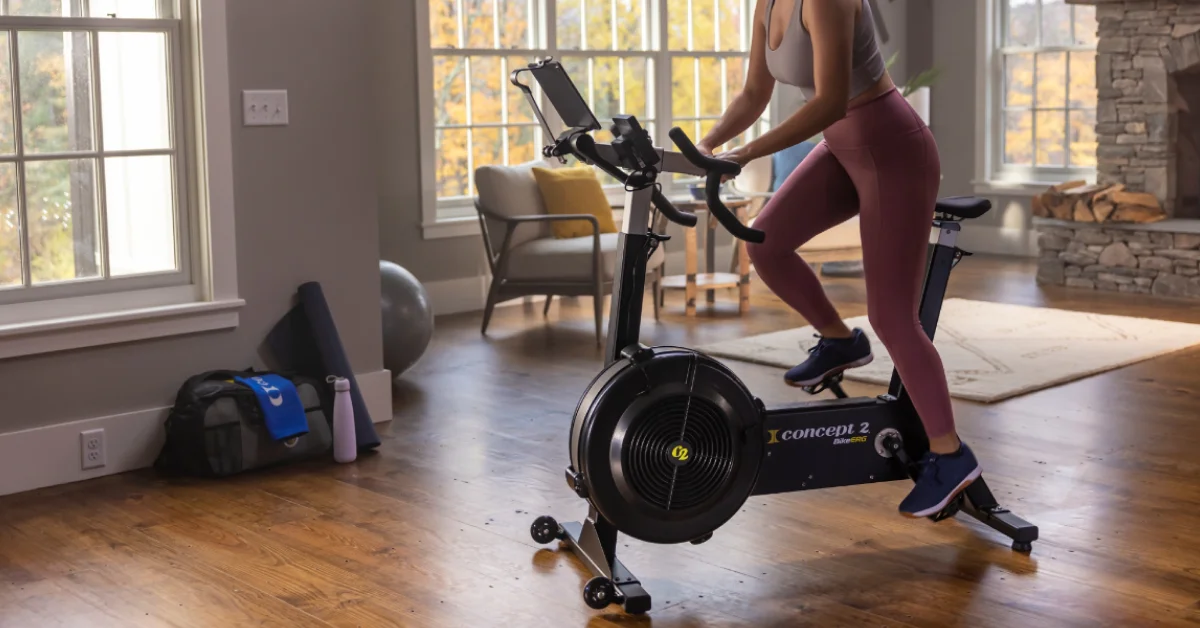
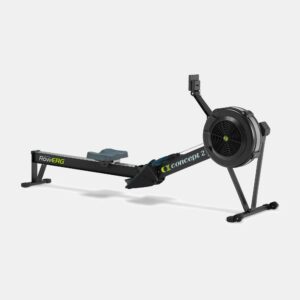
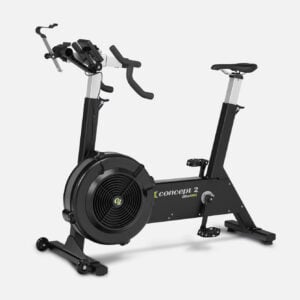
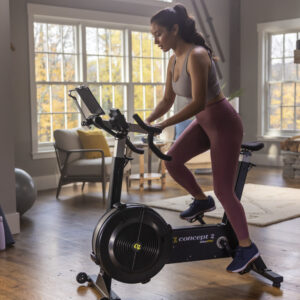
None of this works if your indoor setup can’t deliver the precision the training demands, and that’s exactly where the Concept2 BikeErg earns its place. Concept2 built its reputation on the rowing erg and the SkiErg, and the BikeErg brings that same engineering to cycling.
A few details that matter for the Zone 5 work this article is built around:
- Direct, calibrated power measurement. The BikeErg uses an air-resistance flywheel with a factory-calibrated power meter, so the watts on the display are the watts you’re actually producing — no smart trainer calibration drift, no guessing whether your numbers are creeping out of true between FTP tests.
- Instant resistance response. Air resistance means the flywheel responds immediately to effort, which matters when you’re trying to hit 105-120% of FTP right from the first pedal stroke of a Zone 5 interval rather than slowly ramping into it.
- Adjustable, multi-position frame. The seat and handlebar setup adjusts to suit road, TT, or more upright positions, and the frame fits riders of most heights and builds, useful if more than one person in the house is sharing the Winter training load.
- Rock-solid, low-maintenance build. Like the rest of the Concept2 range, the BikeErg is built to handle high volumes of hard interval work over years of use, with minimal servicing required, which matters when you’re stacking up Zone 5 sessions multiple times a week through Winter.
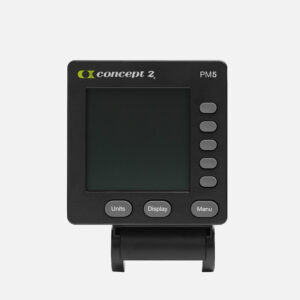
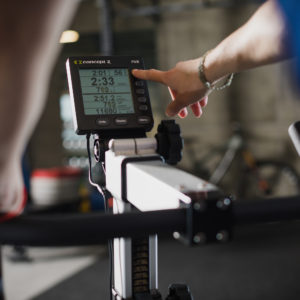
- PM5 monitor. The same performance monitor used across the Concept2 range tracks power, cadence, heart rate (with a compatible strap), and session data, and can connect to apps like the Concept2 ErgData app or third-party platforms for structured interval work and long-term tracking.
For a Winter block built around short, sharp VO2 efforts and precise power targets, that combination of accuracy and durability is exactly what makes the sessions repeatable week after week.
While you’re planning this Winter training block, check out the Concept2 BikeErg.
Frequently Asked Questions
Is Zone 5 or FTP training better for Winter?
Zone 5 training builds top-end power and, with sufficient Zone 2 endurance work, also raises FTP — making it more time-efficient and easier to recover from than traditional FTP-focused sessions.
How long should a Winter VO2 training block be?
8-10 weeks of focused Zone 5 work, bookended by an FTP test at the start and another as Spring approaches, is enough to see a measurable improvement.
How many Zone 5 intervals should I do per session?
Around 4-6 intervals of roughly 4 minutes at 105-120% of FTP, with 4-6 minutes of recovery between each, is typically enough to deliver the training stimulus.


Leave a Reply