
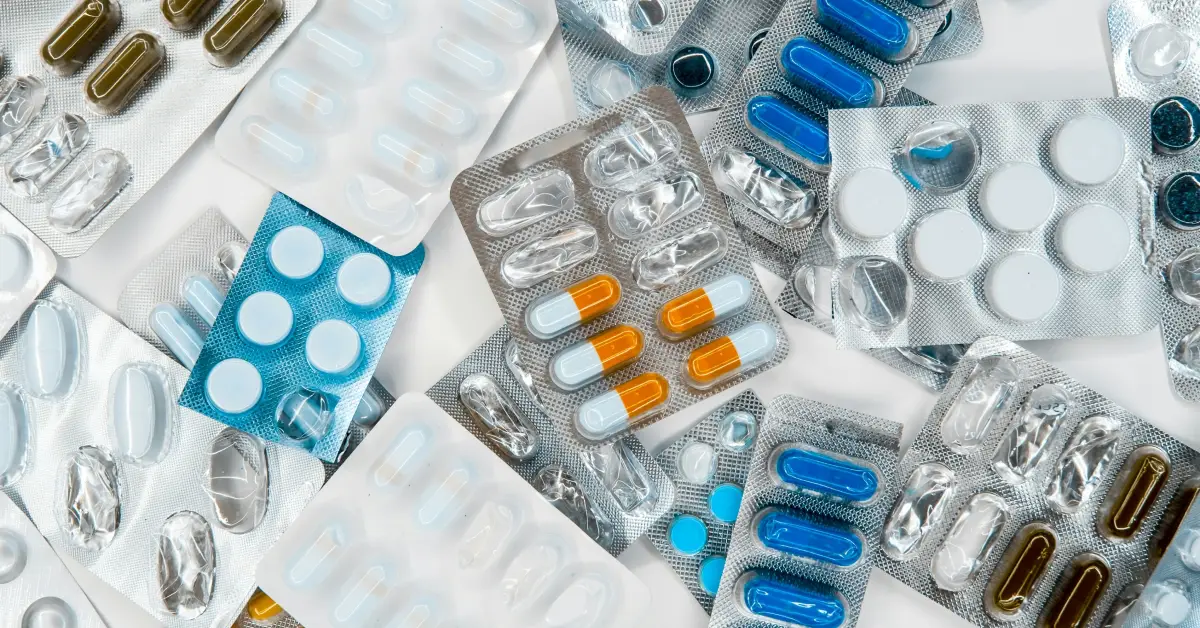
Do You Actually Need Sports Supplements?
Dylan Scholtz2026-09-18T07:52:11+02:00Sports supplements are big business. No arguing that one. And wherever there’s serious money to be made, marketing budgets follow close behind. That can make it hard to separate useful products from those that offer little benefit or might do you harm.
There’s a bigger question worth asking first, though: do we need to supplement at all? Could we get everything those impressively packaged pills and potions promise the old-fashioned way, through food and a decent environment? In a perfect world, yes. We should be getting what our bodies need from what we eat and drink. The problem is the modern world isn’t perfect, and neither is the food most of us can easily get our hands on.
So, if you’re training hard and juggling a busy life outside of sport, it’s worth understanding where supplementation can help.
Pre-Workout and Daily Supplementation the Healthier Way
A handful of nutrients have solid evidence behind them for improving training output when taken before a session.
Caffeine. The most proven legal performance enhancer out there. It can sharpen alertness and lower your perceived effort, which may improve endurance performance. Even a modest dose before training can make the session feel smoother and more controlled. Tolerance varies hugely from person to person, though, and more is not better. Overdo it, and you’re looking at jitters and stomach trouble. Best approach: experiment with dose and timing in training, never on competition or race day.
Nitrates. Found naturally in beetroot, nitrates improve how efficiently your body uses oxygen, which can translate into better endurance, particularly over longer efforts. If you’re already eating leafy greens and beets regularly, you may not need a supplement. But a concentrated form can be a useful edge before a race or key session.
Antioxidants. Hard training increases oxidative stress in the body. Vitamins C and E help neutralise that stress and support recovery.
Iron. Critical for transporting oxygen in the blood. Low iron can show up as fatigue and reduced endurance, which can affect performance. Female athletes and those on plant-based diets carry a higher risk. If you suspect you’re low, get tested before you start supplementing. Too much iron can be just as harmful as too little.
Multivitamins. Treat a multivitamin as a safety net, not a solution. It can plug small nutritional gaps during heavy training blocks or when eating gets inconsistent, but it won’t fix a poor diet. Food comes first, always.
Magnesium and zinc. These two support muscle function, energy production, and immune health. Magnesium in particular can help reduce cramping and improve sleep quality, both worth their weight in gold when you’re carrying a heavy training load and a stressful life outside of it.
Fuelling During Workouts
Once a session pushes past the hour mark, workout nutrition becomes increasingly important, particularly for fuelling and hydration.
Carbohydrates. Your primary fuel source. As glycogen stores run down, fatigue creeps in. The goal during long efforts is to maintain your carb stores, not wait until they’re empty to replenish them. Start fuelling as soon as the session starts and keep it consistent throughout, whether that’s gels, drinks, or whole food. What works best comes down to your own gut and preferences, so test it in low-stakes sessions long before you rely on it on race day.
Electrolytes. Sweat isn’t just water; it carries sodium and other electrolytes your muscles depend on. Lose too much without replacing it, and you’re risking cramps, dizziness, fatigue, even irregular heart function. The earlier you bring electrolytes into your in-session hydration, the better. Prevention beats trying to fix a problem mid-session.
Fluids. Hydration is non-negotiable. Mammals will die of thirst long before they die of hunger. Even mild dehydration affects performance and how hard the effort feels. Small, regular sips beat big, infrequent gulps every time.
Recovery
No recovery, no improvement. Get your recovery right and you get more out of every hard session. Nutrition plays a major role here.
For more on the other side of recovery, read our guide to optimising your recovery through sleep.
Protein. Supports muscle repair and adaptation. Most athletes get enough through diet alone, but higher training volumes can push that requirement up. Protein supplements can be a convenient way to meet your daily protein needs when food isn’t practical.
Omega-3 fatty acids. Help reduce inflammation and support joint health − particularly valuable if your sport involves repetitive impact.
Vitamin D. Plays a role in bone health, immune function, and muscle performance. If most of your training happens indoors, or you live somewhere short on sunshine, it’s worth considering a vitamin D supplement.
Choosing the Right Option for Your Training
Supplements can support a well-planned approach to nutrition, but they work best alongside consistent training. When you’re ready to put that training into practice, explore REBEL Elite Fitness’s functional training equipment and find the gear that suits your training goals.
Frequently Asked Questions
Q. Do I need supplements to build muscle?
A. No. Muscle growth depends first on progressive resistance training and getting enough energy and protein from food. A protein powder can help if you struggle to meet your daily protein needs through meals, but it is a convenience rather than a requirement.
Q. Which supplements have evidence behind them?
A. It depends on the goal. Caffeine can support endurance and reduce perceived effort. Protein powders can help you meet your protein requirements when food isn’t practical, while nitrates may support some endurance efforts.
Q. Can supplements replace a balanced diet?
A. No. Supplements can help fill nutritional gaps or support specific training demands, but they should complement rather than replace a balanced diet. Food should remain the foundation of your nutrition.
Q. Should beginners take supplements?
A. Beginners do not need to start with them. Build a consistent training routine and get your nutrition and recovery right first. Supplements can be considered later if there is a clear need or convenience benefit.
Leave a Reply