Ask ten runners, riders or swimmers about strength training, and you’ll get ten different opinions. Some swear by the gym. Others reckon the only strength work worth doing is more hills, more drag suits, more time in the saddle. We’re not here to settle that argument completely, but there’s one form of strength training that closes the gap between the weight room and your actual sport better than most: plyometrics.
Where a bench press or a leg press is slow and controlled, plyometric work is fast, explosive, and demands balance under speed. We’re not knocking squats for runners or cyclists; they still belong in the programme. But a wall-ball session or a few rounds of thrusters with a medicine ball adds something a barbell can’t: pop. And pop is exactly what your hip drive or pedal stroke is asking for.
Think about the three disciplines where strength work earns its place: the running gait, the pedal stroke, the catch and pull of a swim stroke. None of them moves at a constant speed. Every one is a cycle of acceleration and deceleration, over and over, stride after stride, stroke after stroke. That’s a power quality, not just a strength quality, and it’s exactly what plyometric training, and medicine ball work especially, is built to develop.
This isn’t some new training fad either. Medicine balls have been part of human conditioning for over three thousand years. The ancient Greeks were filling animal skins and bladders with sand and using them for training and rehab long before anyone coined the word “plyometric.” We’ve just refined the tool. Put these medicine ball exercises to work for your sport.
Swimming
Medicine ball slams. Stand with your feet shoulder-width apart. Lift the ball overhead and slam it down, driving the movement from your core, lats and pecs. Keep that high-elbow position you’d use in freestyle and resist the urge to muscle it with your arms and shoulders. Let the big trunk muscles do the work.
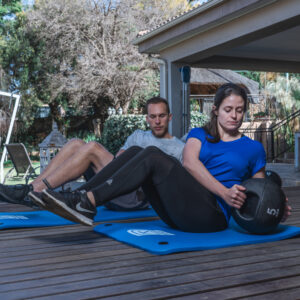
Russian twists. Sit on the floor with your knees bent and feet lifted. Carry the ball from side to side as you twist through your torso. This builds the rotational strength your freestyle stroke relies on every single cycle.
Sit-up to throw. Perform a sit-up and throw the ball to a partner or into a wall above you. As you lower back down, raise the ball overhead while holding that high-elbow catch position. As you sit up, drive the ball down your body line in an arc that mirrors the path your hands take through the water.
Cycling
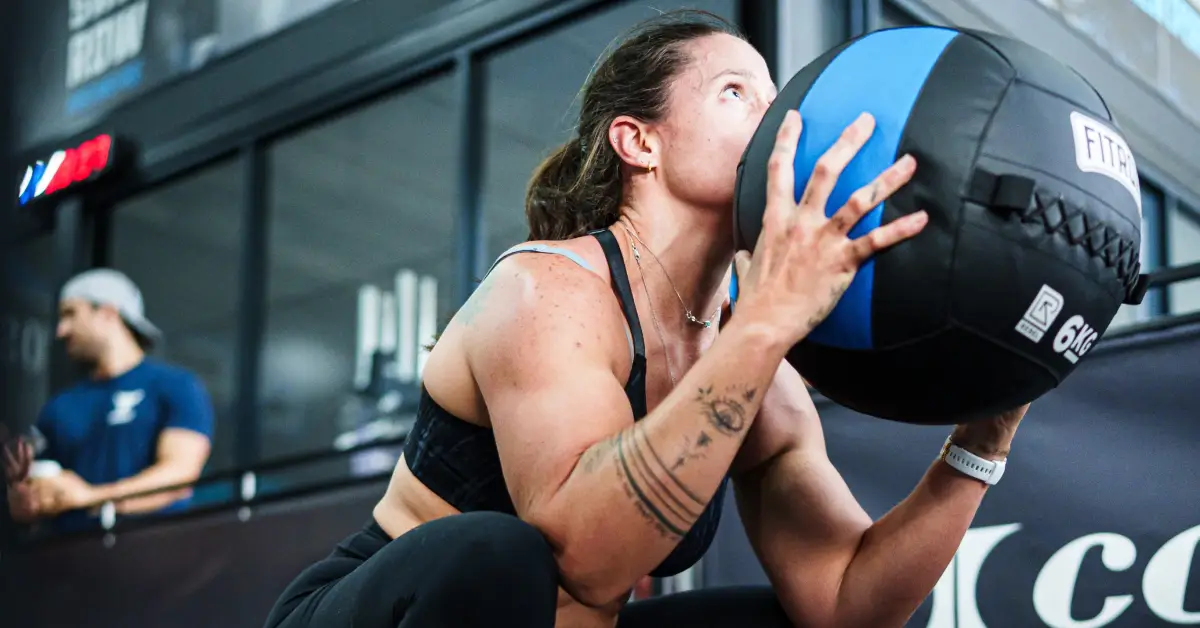
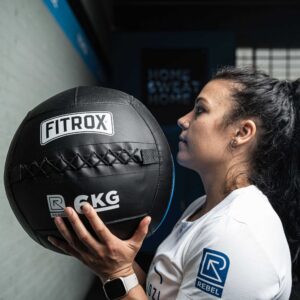
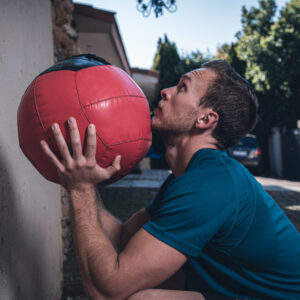
Wall balls. Stand about an arm’s length from a wall, ball held at chest height. Drop into a deep squat, then explosively stand and throw the ball against the wall. Catch it on the way down and transition straight into the next rep.
Rotational throws. Hold the ball at hip height on the side furthest from the wall. Load your weight onto the back leg to set the hips, then rotate hips and torso toward the wall, pivoting on the back foot as the ball comes across your body. Drive the back hip forward and throw the ball into the wall at chest or shoulder height. Catch it on the rebound, control it through your core, and reset for the next rep.
Running
Overhead back throw. Stand with feet shoulder-width apart, ball in both hands. Squat down and lower the ball between your legs, then extend hips and legs hard, rising onto your toes as you pull the ball up and back. Release it at full extension and let it fly in a high, diagonal arc behind you.
Rotational slams. Stand with feet shoulder-width apart, knees soft, holding a light, non-bouncy slam ball. Lift it overhead, rotating your torso and extending through your body. Drive it down forcefully to the outside of your hip, rotating through the core and pivoting your feet. Catch it or pick it up off the ground, then swing it up and across to the opposite side.
Single stance scoop toss. Stand side-on to a wall, about 50cm away, one foot forward and one back with the front foot closest to the wall to encourage better thoracic rotation. Hold the ball at your hip, on the side furthest from the wall, arms slightly bent. Rotate your shoulders away from the wall while keeping your hips stable to build tension, then explosively rotate through the hips and throw the ball underhand in a scooping motion against the wall, letting your hips turn with the throw. Lead with your core and hips, not your arms. Catch it, stabilise in your split stance, and go again. This one should feel rhythmic and explosive.
The truth is, every one of these medicine ball exercises will carry over to all three disciplines, and there are plenty more where they came from. The one rule that matters across the board: keep your sport-specific form and posture front of mind, and don’t reach for a ball so heavy it forces bad technique. Power built on poor form isn’t power you can use on race day.
Frequently Asked Questions
Why should endurance athletes use medicine balls?
Medicine ball training develops explosive power, core stability and rotational strength without relying on heavy loads. For runners, cyclists and swimmers, that can help train the body to produce and control force through movement patterns that are closer to what happens during sport.
Do medicine ball exercises improve running?
Medicine ball exercises can support running performance by developing the core, hips and trunk, which all play a role in stability and force transfer while you run. Explosive movements such as throws and rotational slams can also complement traditional strength training by adding a faster, more dynamic form of resistance work.
What weight medicine ball should I use?
Choose a weight that allows you to move quickly and maintain good technique throughout the exercise. If the ball is so heavy that your movement slows down or your form changes, go lighter. For explosive throws and slams, control and speed matter more than simply using the heaviest ball available.
How often should I train with a medicine ball?
For most endurance athletes, medicine ball work can be included once or twice a week alongside existing strength and conditioning sessions. The right frequency will depend on your training load, experience and event goals, so it should complement your endurance work rather than interfere with recovery.
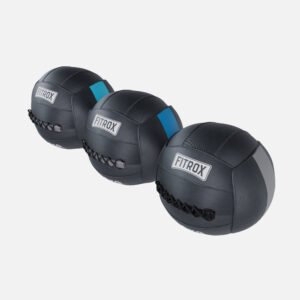
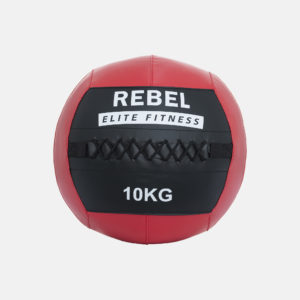
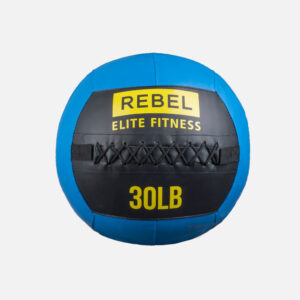
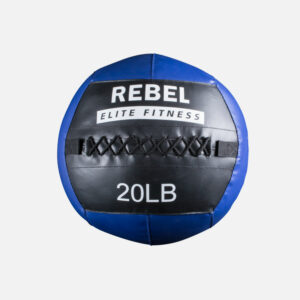
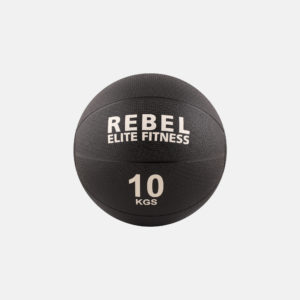
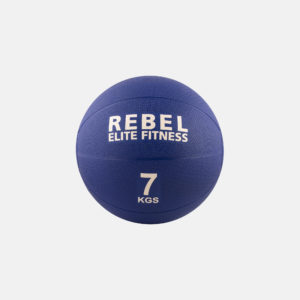
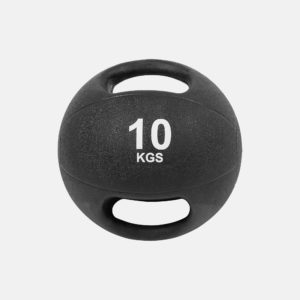
At REBEL Elite Fitness, we stock a medicine ball for every exercise and every level, from your first wall ball to your hundredth rotational slam. Browse the range here and start building the power your sport is asking for.






Leave a Reply