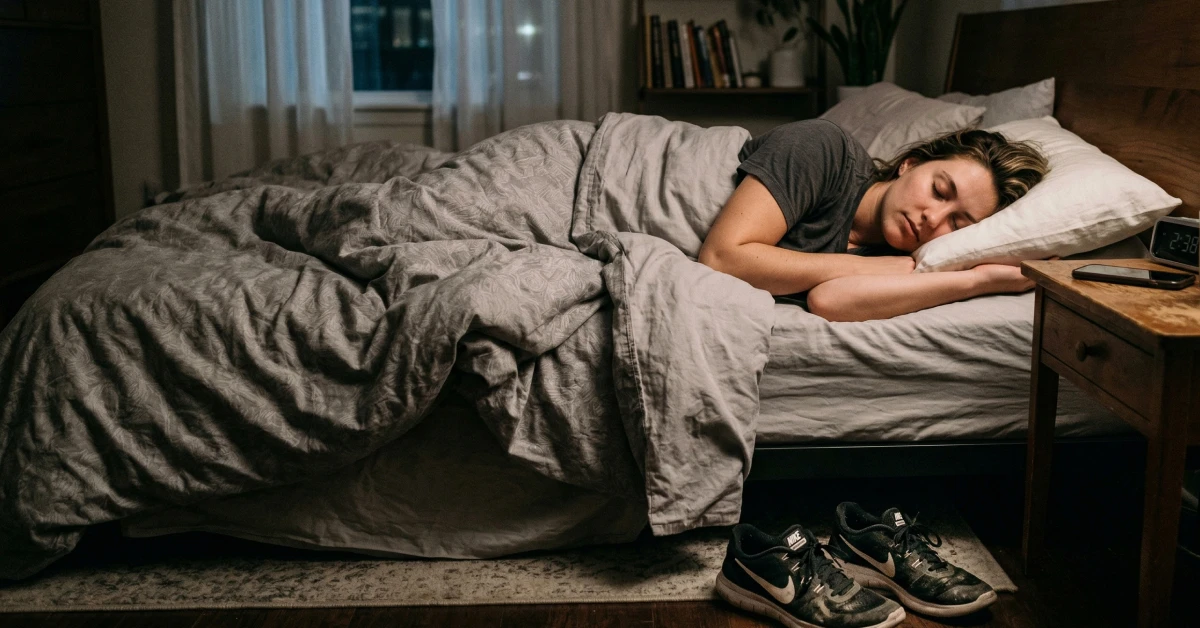
It’s no big secret that sleep is crucially important to an athlete. In fact, someone who has been getting by on a less optimal amount of sleep for a period will feel like they are doping when they start to get seven to eight hours. The difference is that significant. Sleep is when our bodies do their best work at repairing the training damage that we have inflicted and then also, making the improvements that those efforts have stimulated. Our growth hormone levels peak during deep sleep cycles and this is the magic hormone that rebuilds muscle amongst other important things.
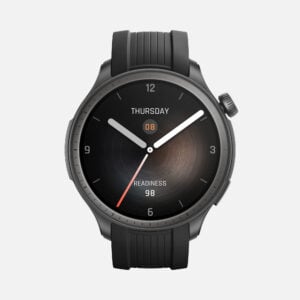
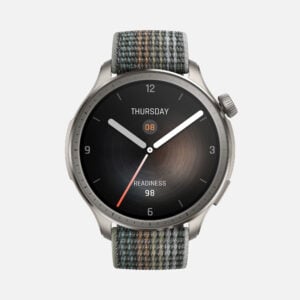
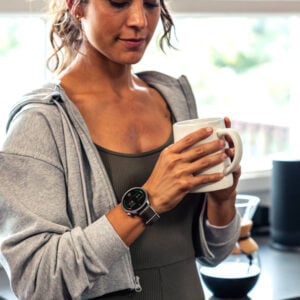
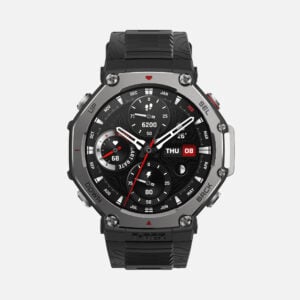
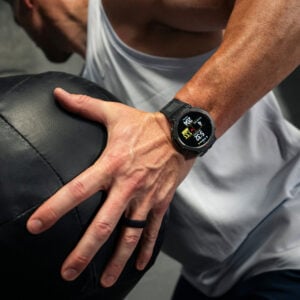
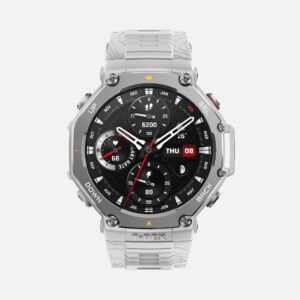
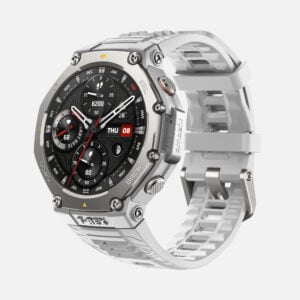
Professional athletes will aim at getting in excess of nine hours of sleep a night and that is not including the occasional post-session nap. This is just not a feasible goal for amateur athletes who have day jobs and families to spend time with but we can optimise the six to seven hours that we are easily capable of getting in. The best way to monitor and set goals for our sleep is via a wearable device or sports watch. Most will have a function that tracks sleep through the night. It is important to understand what the different parameters that are measured are and how we can improve these. Remembering that our sleep quality is compared only to ourselves and most watches will require a few weeks of data in order to establish a baseline.
Sleep Solidity – All night time sleep has interruptions. Most of these we won’t remember in the morning but some, like going to the toilet or having a sip of water we might. Obviously, the less interruption in our sleep the better and the shorter they are in duration even more so.
Sleep Continuity – This measures the length of the periods of sleep that occur without interruption and are generally scored on a scale of 1-5 or 10. The higher the score the better but when are fortunate enough to get a few extra hours of sleep than normal, the number will probably measure lower as the need for sleep becomes less pressing the longer we have slept.
Sleep Cycles – Most people will go through four to five sleep cycles during an eight hour period of sleep. A sleep cycle starts with light sleep, moves into deeper sleep and then gradually lightens again before the next one starts.
Deep Sleep – Deep sleep is the stage of sleep in which it is difficult to wake up because our bodies are less responsive to the outside environment. Most deep sleep occurs during the first half of the night. This sleep stage restores your body and supports your immune system. It also affects certain aspects of memory and learning. This stage is also called slow wave sleep.
REM Sleep – REM stands for rapid eye movement. It is also called paradoxical sleep as our brains are active but our muscles are inactive. Just as deep sleep restores your body, REM sleep restores your mind, and enhances memory and learning.
Light sleep – This is a transition stage between being awake and falling into a deeper phase of sleep. We can be easily woken during this phase of sleep since our responsiveness to the environment around us remains quite high. Light sleep also promotes mental and physical recovery, although REM and deep sleep are the most important sleep stages in that regard.
To most efficiently make the most of the available time for sleep you need to ensure that you fall asleep quickly and are not disturbed during the initial, ‘light sleep’ phase. Once you transition from this phase to the deeper segments of sleep you are well set for a solid night. In order to do this you need to remove as much environmental stimulus as you can from your bedroom. This means light and noise dampening curtains or blinds and good temperature control.
Falling asleep is half the battle won and enemy number one is your digital device. Smartphones, tablets and laptops emit blue light that suppresses melatonin which is a hormone that regulates sleeping and waking cycles. Less likely but still something to consider is that the content we consume before bed could be good enough to stimulate our brains and keep us thinking and alert when we eventually put the device down and try to sleep. Another no-no is sounds and beeps from devices. We need to make sure that alerts are off or muted and that our phones are on surfaces that won’t cause a buzzing sound when the phone vibrates.
Alcohol is commonly thought to aid sleep but this is definitely not the case. Yes, it may have a sedative effect and help us to nod off quicker once our heads hit the pillows but from there things go downhill. Alcohol causes fragmented sleep and supresses REM sleep. It is a diuretic which will necessitate frequent wake ups for bathroom trips and the metabolism of alcohol will have the body more alert once the sedative effect wears off. A lesser known fact is that alcohol causes breathing issues as it relaxes the throat muscles, potentially causing snoring and lowering oxygen uptake.
Checking the stats from our watches every morning and tracking the different variables and sleep phase tracking will help you to determine what helps you sleep better and more deeply. Things that work for you that you can put into practice going forward. Ensuring that you make the most of your available sleep hours and best supporting the hard work you do in the gym or on the roads during waking hours.
Frequently Asked Questions
Why is sleep considered essential for athletic recovery?
Sleep is when the body performs its most critical repair work. It is the primary period for muscle tissue restoration and the time when growth hormone levels peak, which is vital for rebuilding strength and recovering from intense training sessions.
How much sleep do professional athletes need compared to amateurs?
Professional athletes often aim for nine or more hours of sleep per night, plus naps. While amateur athletes with jobs and families may only get six to seven hours, they can maximize recovery by optimizing their sleep environment and tracking data with wearable devices.
How does blue light from devices affect sleep?
Digital devices (phones, tablets, and laptops) emit blue light that suppresses the production of melatonin. Melatonin is the hormone that regulates your sleep-wake cycle; suppressing it makes it much harder to fall asleep quickly.
What are the best ways to improve sleep quality in the bedroom?
To ensure a solid night of rest, you should remove as much environmental stimulus as possible. Key strategies include:
- Using blackout curtains or blinds to block light.
- Implementing noise-dampening tools.
- Maintaining a cool room temperature for better comfort.



Leave a Reply